Security is no longer a luxury but a necessity. With rising concerns around safety, property protection, and smart technology integration, Residential Security Systems have become a critical part of modern living. Whether you are safeguarding a family home or managing a commercial property, understanding how security systems work and how to choose the right solution is essential.
This comprehensive guide explores Residential Security Systems in depth while also addressing commercial needs, modern technology, installation processes, and long-term value. By the end, you will have a clear understanding of how professional security solutions protect what matters most.
Understanding Residential Security Systems
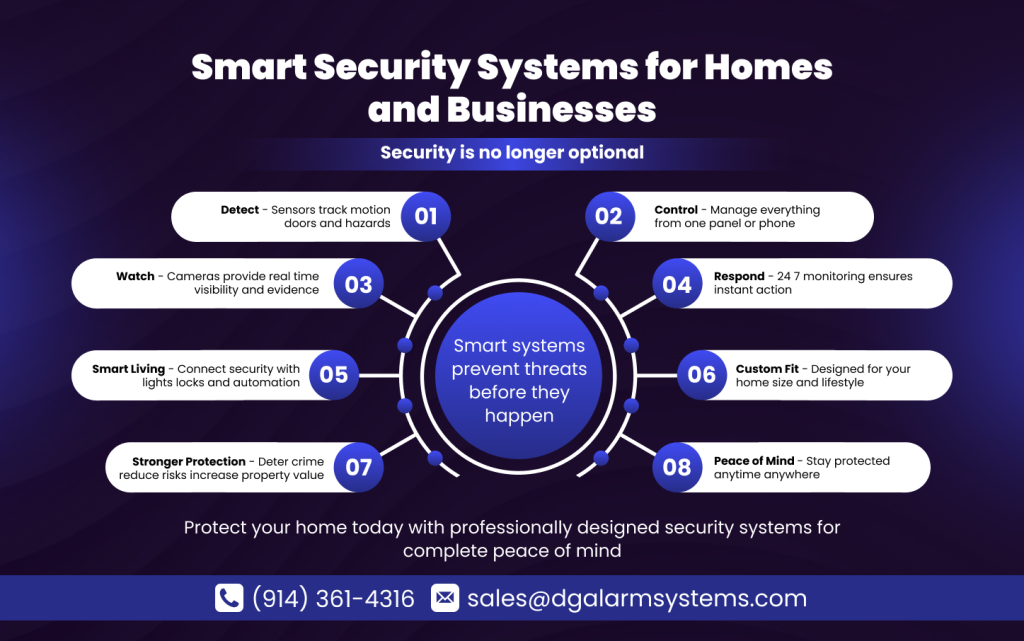
At their core, Residential Security Systems are designed to detect, deter, and respond to potential threats. These systems integrate hardware, software, and monitoring services to provide layered protection.
Modern Residential Security Systems typically include sensors, alarms, cameras, control panels, and optional smart integrations. Together, they create a proactive defense rather than a reactive one.
Why Residential Security Systems Are Essential Today
Rising Safety Concerns
Homes face risks such as burglary, package theft, vandalism, and unauthorized access. Residential Security Systems act as both a physical and psychological deterrent.
Peace Of Mind And Control
With remote access and real-time alerts, Residential Security Systems allow homeowners to stay informed and in control, even when away.
Core Components Of Residential Security Systems
Sensors And Detectors
Sensors are the backbone of Residential Security Systems. They monitor doors, windows, motion, and environmental hazards such as smoke or carbon monoxide.
Control Panels And User Interfaces
The control panel is the command center. It allows users to arm, disarm, and manage their Residential Security Systems with ease.
Security System Installation: What To Expect
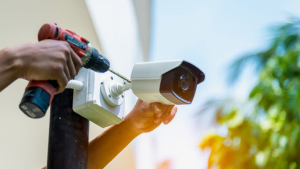
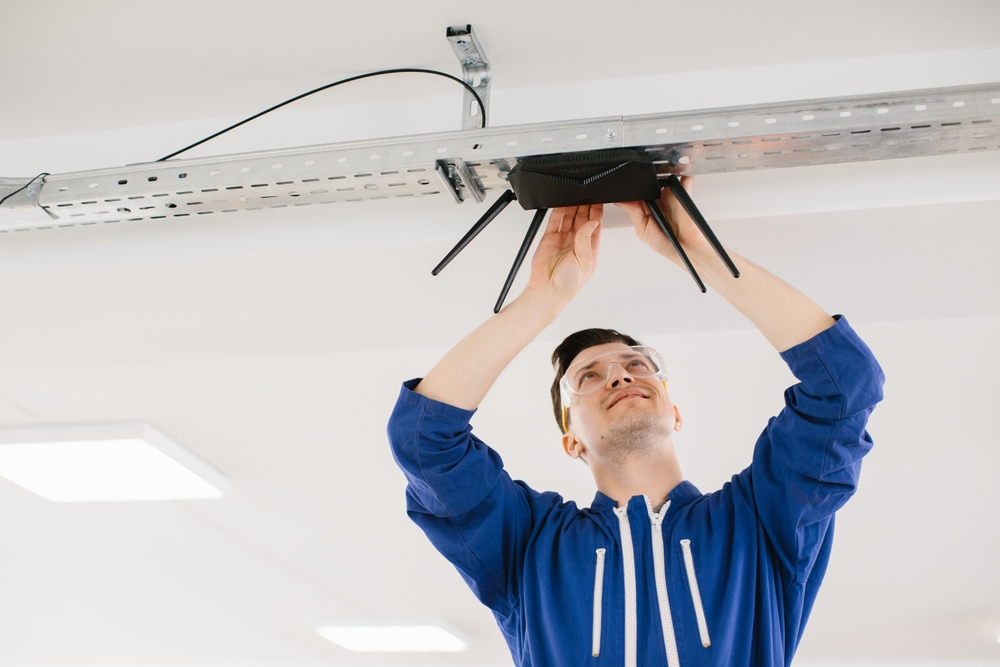
A professional security system ensures reliability, correct placement, and optimal performance. Trained technicians assess property layout, entry points, and usage patterns.
For homeowners, home security system installation typically includes:
- System design consultation
- Hardware installation
- System testing and user training
Proper installation reduces false alarms and increases system effectiveness.
Residential Security Systems Vs Commercial Security Needs
While this guide emphasizes Residential Security Systems, many principles apply to businesses as well.
Key Differences
- Homes prioritize ease of use and comfort
- Businesses require scalability and access control
This is where commercial security solutions differ, often incorporating advanced surveillance, access logs, and multi-user management.
Smart Technology And Residential Security Systems
Smart Home Integration
Today’s Residential Security Systems often integrate with home automation platforms. This allows security to work seamlessly with lighting, locks, and climate controls.
Smart Home Automation Services
Professional smart home enhances safety by enabling automated responses—such as lights turning on when motion is detected.
Role Of A Home Service Network In Security
A reliable home service network ensures that all connected devices within Residential Security Systems communicate effectively. Strong connectivity is critical for real-time alerts, remote monitoring, and system updates.
Video Surveillance And Camera Systems
Choosing The Best CCTV Camera System
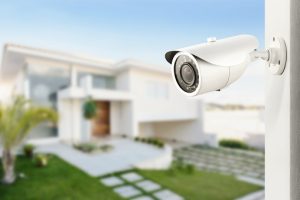
A best cctv camera system provides high-resolution footage, night vision, and secure storage. Cameras add a visible layer of deterrence to Residential Security Systems.
Indoor Vs Outdoor Cameras
- Indoor cameras monitor common areas
- Outdoor cameras protect perimeters and entry points
Strategic placement maximizes coverage and minimizes blind spots.
Alarm Monitoring Services Explained
Professional alarm monitoring services ensure that alerts are never ignored. When a system is triggered, trained professionals assess the situation and dispatch help if needed.
This service is a cornerstone of effective Residential Security Systems, especially for homeowners who travel frequently or manage multiple properties.
Residential Security Systems Components And Benefits
| Component | Function | Benefit |
| Motion Sensors | Detect movement | Intrusion detection |
| Door/Window Sensors | Monitor access points | Early alerts |
| Cameras | Visual monitoring | Evidence and deterrence |
| Control Panel | System management | User control |
| Monitoring Service | Emergency response | 24/7 protection |
This table highlights how Residential Security Systems work together as a unified solution.
Customization Options For Residential Security Systems
Every home is different. Effective Residential Security Systems are customized based on:
- Property size
- Entry points
- Occupant lifestyle
- Budget and future needs
Customization ensures maximum protection without unnecessary complexity.
Residential Security Systems And Scalability
One advantage of modern Residential Security Systems is scalability. Homeowners can start with basic protection and expand later by adding cameras, sensors, or automation features.
This flexibility makes professional systems a long-term investment rather than a one-time purchase.
Why Professional Providers Matter
Choosing an experienced provider such as D&G Alarm Systems ensures expertise, compliance, and ongoing support. Professional providers design systems that grow with your needs and meet industry standards.
Cybersecurity And Residential Security Systems
As systems become smarter, cybersecurity becomes critical. Secure networks, encrypted communication, and regular updates protect Residential Security Systems from digital threats.
Bullet Point Overview: Benefits Of Residential Security Systems
Key Advantages At A Glance
- Continuous monitoring and alerts
- Strong deterrence against intrusions
- Integration with smart technologies
- Increased property value
- Peace of mind for families
These benefits explain why Residential Security Systems are now considered essential infrastructure.
Residential Security Systems For Families And Individuals
For families, Residential Security Systems protect loved ones and provide reassurance. For individuals living alone, they offer independence without compromising safety.
Both scenarios benefit from professional design and monitoring.
Long-Term Value Of Residential Security Systems
Beyond safety, Residential Security Systems contribute to:
- Lower insurance premiums
- Improved resale value
- Reduced risk of loss or damage
Over time, these systems often pay for themselves through prevention.
Conclusion: Why Residential Security Systems Are A Smart Investment
In today’s environment, Residential Security Systems are no longer optional; they are foundational to modern living. From protecting property and loved ones to integrating seamlessly with smart technology, these systems provide a layered, reliable defense against evolving threats.
Well-designed Residential Security Systems go beyond alarms. They combine professional installation, intelligent monitoring, and scalable technology to create a proactive safety ecosystem. Whether you live in a small home or manage a larger property, investing in the right system ensures peace of mind and long-term value.
As technology advances, Residential Security Systems continue to evolve, offering smarter automation, better connectivity, and stronger protection. By choosing a trusted provider and focusing on customization, homeowners can create a solution that fits their lifestyle today and adapts to tomorrow.
Security is about preparation, not reaction. With professional Residential Security Systems, you gain control, confidence, and protection where it matters most.
Protect your home with professionally designed Residential Security Systems from D&G Alarm Systems.
📞 Phone: (914) 361-4316
📧 Email: sales@dgalarmsystems.com
Get expert guidance, reliable installation, and trusted monitoring today.
Frequently Asked Questions
How long does it take to install a residential security system?
Most installations are completed within a single day, depending on system size and customization.
Are residential security systems difficult to use?
No. Modern systems are designed with user-friendly interfaces and mobile apps.
Can residential security systems work during power outages?
Yes. Many systems include battery backups to maintain protection.
Do I need professional monitoring for my system?
Professional monitoring adds an extra layer of safety by ensuring alerts are addressed immediately.
Can I upgrade my residential security system later?
Absolutely. Most systems are scalable and can be expanded as your needs grow.