Choosing the right locations for your security system is just as important as selecting the equipment itself. Even the best CCTV camera installation won’t provide full protection if cameras are poorly positioned. Strategic placement ensures maximum visibility, eliminates blind spots, and strengthens overall home security.
Whether you’re upgrading an existing system or planning a new one, this guide explains where to focus your efforts for optimal protection.
Why Camera Placement Matters
A well-planned CCTV installation deters criminals, captures clear footage, and provides evidence when needed. Poor placement, however, can result in:
- Limited coverage
- Glare or lighting interference
- Missed entry points
- Security camera blind spots
The goal is to cover high-risk areas while maintaining privacy and legal compliance.
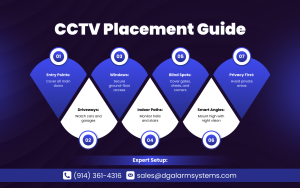
1. Front Door: Your First Priority
Your front door is the most common entry point for both visitors and potential intruders.
Why It’s Critical
- Package theft prevention
- Visitor identification
- Doorstep monitoring
- Evidence capture
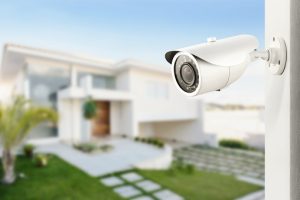
Front door camera placement should position the lens at about 8–10 feet high, angled downward to clearly capture faces without glare.
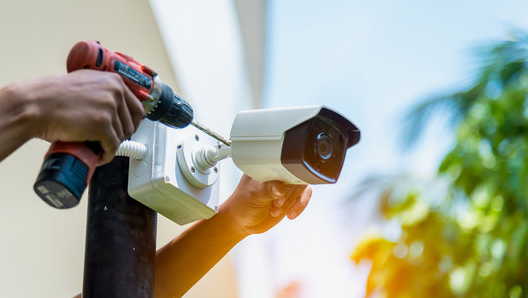
A professional CCTV camera installation ensures the angle and height provide optimal coverage.
2. Back and Side Entrances
Burglars often target less visible access points. A strong security camera placement strategy includes:
- Back doors
- Side doors
- Garage access doors
- Basement entries
If your CCTV installation overlooks these areas, intruders may exploit the gaps.
3. Garage and Driveway
Garages often store valuable items like tools, bicycles, and vehicles. A camera facing the driveway captures:
- Vehicle license plates
- Suspicious activity
- Unauthorized access
- Late-night movement
Proper CCTV camera installation here should avoid direct sunlight glare and ensure wide-angle coverage.
4. Windows Facing the Street
Ground-floor windows are common break-in targets. Placing cameras to monitor these areas adds another security layer.
Key Tips
- Mount cameras high enough to prevent tampering
- Avoid pointing directly into neighbors’ property
- Ensure night-vision capability
A thorough CCTV security camera installation plan accounts for vulnerable window access points.
5. Main Hallways and Entry Corridors
Indoor placement is just as important as exterior coverage.
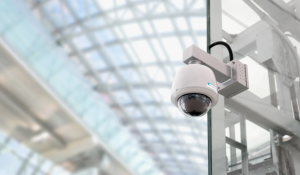
When planning home security camera placement, consider interior hallways that connect bedrooms and living spaces. This helps capture movement if someone bypasses exterior cameras.
Strategic CCTV installation indoors provides:
- Secondary evidence
- Clear tracking of intruder movement
- Protection during nighttime entry
6. Living Room and High-Value Areas
Common living spaces often contain electronics and valuables. Installing cameras here ensures coverage if intruders enter.
However, balance is important. Avoid invasive placement in private spaces like bathrooms or bedrooms.
Professional CCTV camera installation services help homeowners maintain ethical and legal positioning.
7. Stairways and Basement Access
Basements and staircases are frequently overlooked.
Include these in your CCTV installation plan to:
- Monitor hidden entry points
- Capture upward or downward movement
- Prevent unnoticed access
A properly angled camera here eliminates hidden pathways.
8. Perimeter Coverage
Exterior perimeter monitoring acts as a deterrent.
Outdoor Coverage Checklist
- Backyard fencing
- Gate entrances
- Garden pathways
- Detached sheds
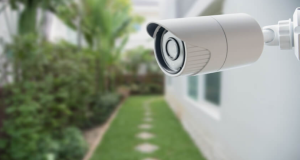
Outdoor security camera placement should include weatherproof units and motion detection features.
A high-quality CCTV camera installation at perimeter points discourages trespassers before they approach your home.
9. Avoiding Security Camera Blind Spots
One of the biggest mistakes in CCTV installation is failing to account for coverage overlap.
Common Blind Spot Causes
- Obstructions like trees or pillars
- Improper camera angles
- Limited field of view
- Poor lighting
To prevent blind spots:
- Use wide-angle lenses
- Layer coverage from multiple cameras
- Test visibility during the day and night
Mapping your property beforehand improves results.
10. Optimal Height and Angle Guidelines
Correct mounting height ensures clarity and protection from tampering.
| Location | Recommended Height | Angle Tip |
| Front Door | 8–10 feet | Slight downward tilt |
| Driveway | 9–12 feet | Cover full width |
| Backyard | 8–10 feet | Avoid direct sunlight |
| Interior Hallway | 7–9 feet | Centered view |
Proper height selection is essential for effective CCTV camera installation.
11. Lighting Considerations
Even the best CCTV camera system struggles in poor lighting.
To enhance visibility:
- Install motion-activated lights
- Avoid backlighting
- Ensure infrared capability
- Position away from direct glare
Professional CCTV camera installation often includes a lighting assessment to maximize image clarity.
12. Legal and Privacy Considerations
Before installing cameras, understand local laws.
Avoid recording:
- Neighboring private areas
- Public sidewalks beyond your property
- Private indoor spaces without consent
Responsible CCTV camera installation protects your home without infringing on others’ privacy.
DIY vs Professional Installation
Homeowners often debate whether to handle the setup themselves or hire professionals.
DIY Installation
Pros:
- Lower upfront cost
- Flexible scheduling
Cons:
- Risk of blind spots
- Improper wiring
- Weak camera angles
Professional Installation
Pros:
- Strategic placement planning
- Expert wiring
- Full coverage analysis
- Optimized system performance
Working with providers offering residential Security Systems ensures every angle is covered correctly.
Integrating Cameras With Broader Security
Cameras work best when paired with alarms, motion sensors, and smart monitoring.
Comprehensive home security solutions combine:
- Surveillance cameras
- Alarm systems
- Remote monitoring apps
- Access control
Integrated systems increase both prevention and response speed.
Signs You Need to Reevaluate Placement
If you notice:
- Missed motion alerts
- Poor night footage
- Gaps in recorded coverage
- Repeated false alarms
It may be time to reassess your CCTV camera installation layout. Routine testing ensures your system remains effective.
Final Verdict
Strategic camera placement is the foundation of effective security. A well-planned CCTV camera installation covers entry points, eliminates blind spots, and deters intruders before they act. From front door coverage to backyard perimeter monitoring, each location plays a role in protecting your home.
Avoid common mistakes like improper angles, poor lighting, or overlooked access points. Whether you choose DIY or professional support, the goal remains the same: complete visibility and peace of mind.
With thoughtful planning and the right approach, your surveillance system can become one of the strongest layers of defense for your property.
If you’re ready to upgrade your security strategy, D & G Alarm Systems provides expert guidance and customized installation support. Their experience in advanced security setups ensures your property is protected from every angle.
Contact for professional guidance, installation, and support:
Phone: (914) 361-4316
Email: sales@dgalarmsystems.com
FAQs
1. How many cameras do I need for full coverage?
Most homes require 4–8 cameras, depending on size and layout.
2. Where should I avoid placing cameras?
Avoid private areas like bathrooms and bedrooms, and do not record neighboring properties.
3. How high should outdoor cameras be installed?
Typically 8–12 feet high for optimal visibility and tamper resistance.
4. Can I install cameras myself?
Yes, but professional placement often reduces blind spots and improves coverage.
5. What is the most important camera location?
The front door is usually the highest priority due to traffic and package deliveries.