
Protecting your property is no longer optional. With rising security concerns and smarter threats, choosing the right alarm solution has become a critical decision for homeowners and property managers alike. This best security alarm systems Guide explains how modern alarm systems work, what features truly matter, and how to select the right setup based on your property’s needs. By the end, you’ll understand how to protect what matters most with confidence and clarity.
Why a Reliable Alarm System Matters More Than Ever
Security alarm systems act as the first line of defense against unauthorized access, theft, and emergencies. A professionally planned system not only deters intruders but also alerts occupants and authorities in real time. This best security alarm systems Guide focuses on practical insights rather than sales hype, helping you make an informed and future-proof decision.
An effective alarm system does more than sound a siren. It creates awareness, reduces response time, and adds a powerful psychological deterrent that significantly lowers the risk of break-ins.
How Security Alarm Systems Work
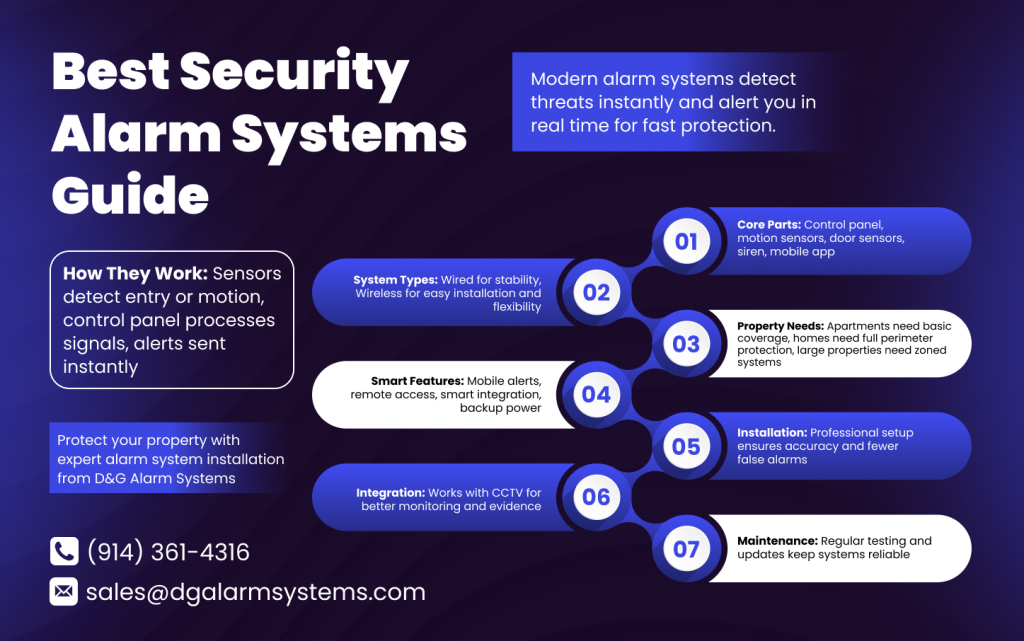
Understanding how alarm systems function helps you choose the right configuration. Most modern systems follow a simple but effective workflow:
- Sensors detect motion, entry, or unusual activity
- Signals are sent to a central control panel
- Alerts are triggered locally or remotely
- Monitoring centers or mobile apps notify users and authorities
This structure ensures your property is protected whether you are home or away. The best security alarm systems emphasize choosing systems that integrate seamlessly with your lifestyle and property layout.
Core Components of a Security Alarm System
Every alarm system includes essential components that work together to provide full coverage.
Control Panel
This is the system’s brain. It receives signals from sensors and activates alarms or notifications.
Sensors
Placed on doors, windows, and strategic interior locations, sensors detect movement, forced entry, or glass breakage.
Alarm Sirens
Audible alerts discourage intruders and notify occupants instantly.
Monitoring Interface
This may include mobile apps or professional monitoring centers that track alerts in real time.
A properly designed house security alarm system balances coverage and convenience without unnecessary complexity.
4. Wired vs Wireless Alarm Systems
Choosing between wired and wireless systems depends on property size, structure, and future expansion plans.
Wired Systems
- Highly stable connections
- Best for new constructions
- Minimal interference
Wireless Systems
- Faster setup
- Best for old construction or renovated construction
- Easier to expand or relocate
This best security alarm systems guide recommends wireless systems for most residential properties due to their flexibility and lower installation disruption.
| Property Type | Recommended System Setup | Key Benefits |
| Apartments | Entry sensors and motion detection | Simple coverage and easy management |
| Single-family homes | Zoned sensors and mobile alerts | Balanced interior and perimeter protection |
| Large homes | Multi-zone alarms and outdoor sensors | Eliminates blind spots |
| Rental properties | Wireless systems with remote access | Flexible and non-invasive |
| Multi-unit residences | Central control with individual zones | Scalable and efficient monitoring |
5. What Your Property Needs Based on Type
Not every property requires the same level of protection. Tailoring the system ensures optimal security and cost efficiency.
Homes and Apartments
Smaller properties benefit from motion sensors, entry detectors, and mobile alerts. A complete home security system installation focuses on perimeter protection and interior awareness.
Large Residences
Larger homes need zoning, outdoor sensors, and camera integration for layered protection.
Rental Properties
Systems with remote access and minimal wiring offer flexibility without permanent alterations.
Choosing the right residential security systems setup prevents blind spots and false alarms.
6. The Importance of Professional Installation
While DIY systems exist, a professional setup ensures accuracy, reliability, and compliance. Expert technicians know where to place sensors for maximum effectiveness and minimal interference.
Opting for professional security installation reduces false alarms, improves system lifespan, and ensures seamless integration with monitoring services. This best security alarm systems Guide strongly recommends expert support for long-term peace of mind.
7. Installation Process Explained
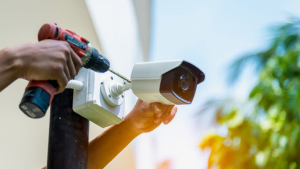
A proper security system installation typically includes:
- Property assessment
- System design and planning
- Hardware placement
- Configuration and testing
- User training
For those looking to install alarm system solutions efficiently, professional installers eliminate guesswork and ensure full coverage from day one.
8. Integrating Alarm Systems with Cameras
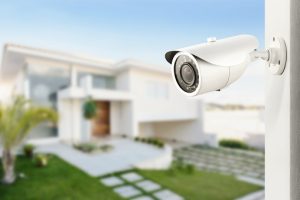
Modern security solutions combine alarms with visual verification. Pairing alarms with the best cctv camera system enhances evidence collection and real-time monitoring.
Benefits include:
- Visual confirmation of alerts
- Improved deterrence
- Remote property monitoring
This combination creates a layered defense strategy that significantly increases security effectiveness.
9. Smart Features to Look For
Today’s alarm systems offer advanced features that go beyond basic alerts.
- Mobile app control
- Real-time notifications
- Smart home integration
- Backup power options
- Cloud-based monitoring
This best security alarm systems Guide encourages selecting systems that scale with your future needs rather than limiting upgrades.
10. Maintenance and Long-Term Reliability
Security systems require routine checks to stay effective. Regular maintenance includes sensor testing, battery replacement, and software updates. A professionally handled security alarm system installation often includes maintenance support, ensuring consistent performance over time.
11. Choosing a Trusted Security Provider
Selecting the right provider is just as important as choosing the system itself. Experienced companies understand local risks, property layouts, and compliance standards.
Working with D&G Alarm Systems ensures access to tailored solutions, expert guidance, and dependable support from consultation to installation and beyond.
12. Common Mistakes to Avoid
Many property owners make avoidable errors when selecting alarm systems.
- Underestimating coverage needs
- Ignoring professional assessment
- Choosing price over reliability
- Skipping maintenance planning
This best security alarm systems Guide emphasizes thoughtful planning to avoid costly security gaps.
13. Making the Right Security Choice
Protecting your property is an investment in safety, comfort, and peace of mind. The right alarm system deters threats, reduces response time, and provides confidence whether you’re home or away. This best security alarm systems Guide empowers you to choose solutions that match your property’s needs, lifestyle, and long-term goals.
From selecting components to understanding installation and integration, informed decisions lead to stronger protection. Prioritize reliability, expert support, and scalable solutions to ensure your security system grows with you. Get expert consultation, professional installation, and reliable support from D & G Alarm Systems today.
Call: (914) 361-4316
Email: sales@dgalarmsystems.com
Frequently Asked Questions
How do security alarm systems detect intrusions
They use sensors on doors, windows, and motion zones to detect unusual activity and trigger alerts.
Are wireless alarm systems reliable
Yes, modern wireless systems are highly reliable and suitable for most residential properties.
Do alarm systems work during power outages
Most systems include battery backups to remain operational during outages.
Can alarm systems be expanded later
Many systems are designed to scale, allowing additional sensors or features as needs change.
Is professional installation necessary
Professional installation ensures correct placement, reliable performance, and reduced false alarms.